![[HERO] 5 Smart Heating Control Mistakes You’re Probably Making (And How to Fix Them)](https://cdn.marblism.com/1SRjDD7ir4P.webp)
You’ve upgraded to a fancy new thermostat to save money, but your energy bills are still climbing. From poor placement to "fiddling" with the settings, David and the team at Regal Heat explore the common blunders Northamptonshire homeowners make with their smart tech and how to actually start saving.
Is Your Smart Heating Actually Saving You Money?
We’ve all been there. You see a shiny new smart thermostat online, read about how it’s going to slash your energy bills by 30%, and click ‘buy’ before you’ve even finished your morning brew. It’s one of the most popular energy efficient heating upgrades homeowners in Raunds and Rushden are making right now. But here’s the thing: a smart thermostat is only as "smart" as the person using it.
At Regal Heat Ltd, we’ve visited countless homes across Northamptonshire: from the charming old stone cottages in Thrapston to the modern developments in Higham Ferrers: where the smart heating control integration isn't quite living up to the hype. Often, it’s not the tech that’s the problem; it’s a few simple setup and habit mistakes that are easy to fix once you know what they are.
David often tells our customers that a smart control system should be a "set and forget" partner for your home, not something you’re constantly battling with. If you find yourself reaching for the app every ten minutes, or if your house feels like a sauna one minute and an icebox the next, you might be making one of these five common mistakes.
1. Putting the Thermostat in the Wrong Spot
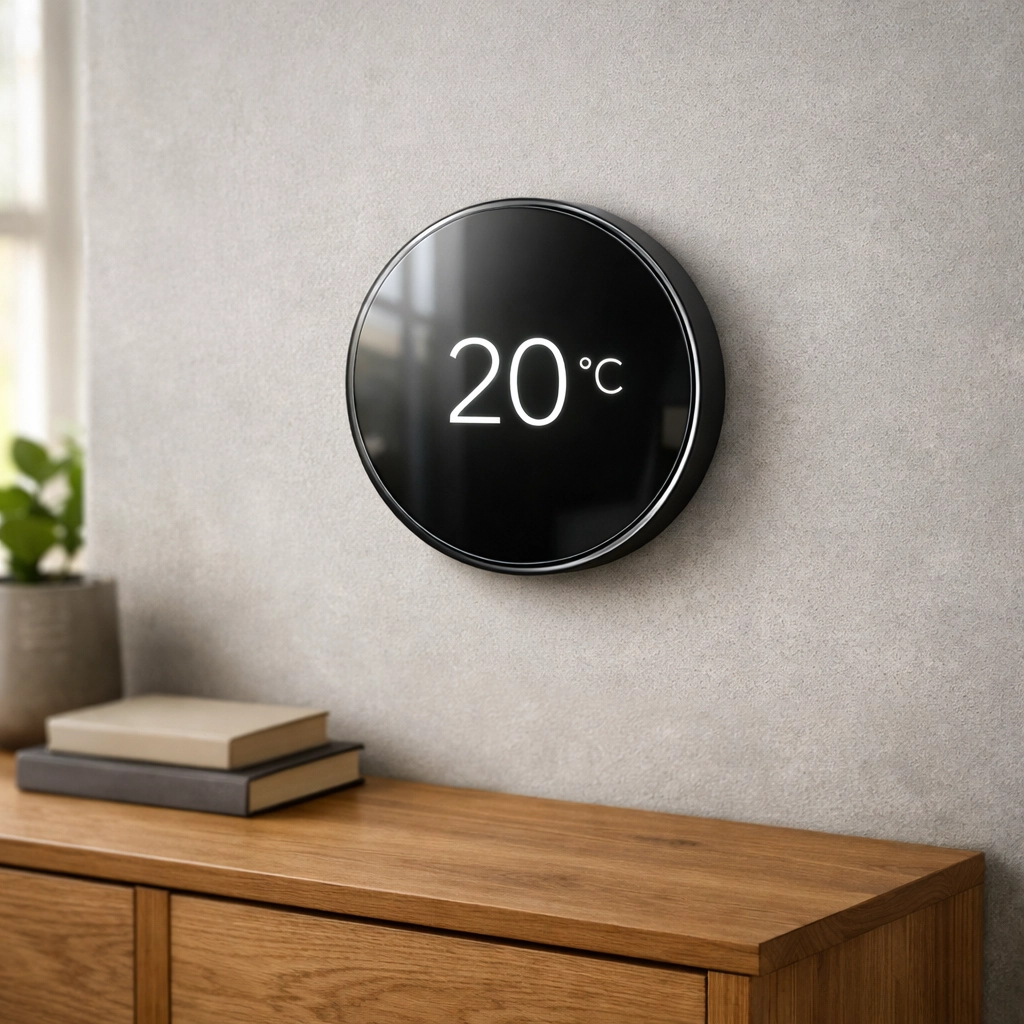
Location is everything. You wouldn’t put a fridge next to a radiator, and you shouldn’t put your smart thermostat in the coldest or warmest part of your house. We see this all the time in older properties around Stanwick and Ringstead. A thermostat placed in a drafty hallway or right next to a front door will constantly "think" the house is freezing and tell your boiler to work overtime.
Conversely, if it’s sitting in direct sunlight in a south-facing lounge or tucked away in a corner near a lamp, it’ll think the house is much warmer than it actually is. This leads to the rest of your home feeling chilly while the thermostat smugly tells you it’s a perfect 21 degrees.
The Fix:
Your thermostat should be on an interior wall, roughly five feet from the floor, in a room you actually use: usually the living room. It needs to be away from drafts, direct sunlight, and heat sources. If you’re unsure about the best spot, our heating engineers Northamptonshire can help you identify the perfect "neutral" zone during a service visit.
2. The "On/Off" Habit vs. Setback Temperatures
This is a big one. Many of us grew up with the habit of turning the heating completely off when we leave the house and cranking it up to 25°C the moment we get home. With modern central heating systems and smart controls, this is actually incredibly inefficient.
When you let your home’s temperature drop to 10°C while you’re at work in Irthlingborough, your boiler has to work at maximum capacity for hours to bring the fabric of the building back up to a comfortable temperature. This puts unnecessary strain on your system and spikes your gas usage.
The Fix:
Use "setback" temperatures. Instead of turning the heating off, set your "away" temperature to something like 15°C or 16°C. This keeps a baseline level of warmth in the walls and furniture, meaning it takes much less energy to boost it back up to 19°C or 20°C when you return. Most smart systems have an "Eco" or "Away" mode specifically for this: make sure you’re using it!
3. Skipping the Compatibility Check Before Buying
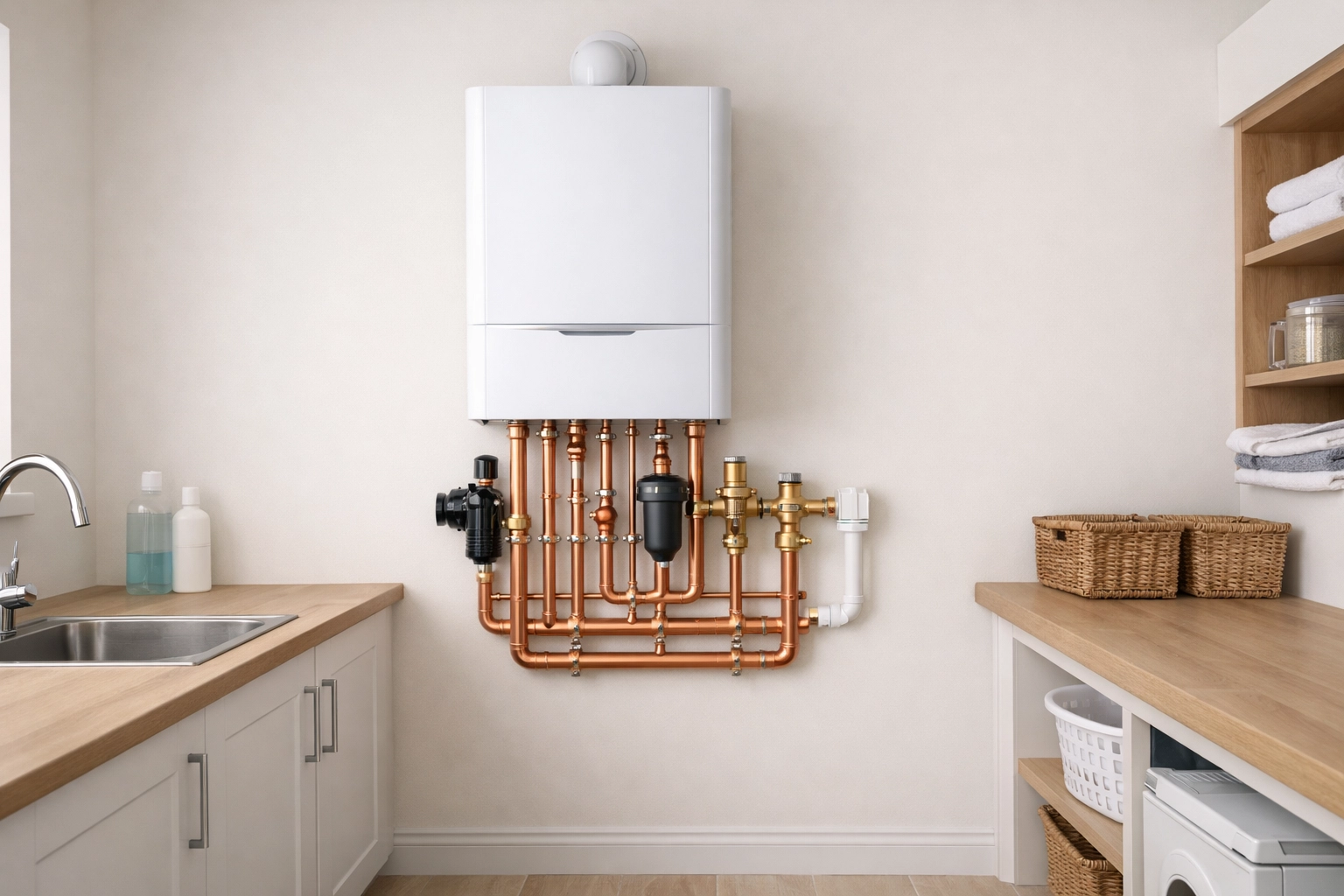
We’ve had calls from frustrated DIYers in Woodford and the Addingtons who have bought a top-of-the-range smart control only to find it doesn’t play nice with their existing boiler. Not every smart thermostat works with every heating system. Some require a "C-wire" (common wire) for constant power, which many older Northamptonshire homes simply don't have at the thermostat position.
If you force a smart heating control integration that isn't compatible, you risk losing features like "modulating control," which is what allows your boiler to run at lower, more efficient flames rather than just being "full blast" or "off."
The Fix:
Before you buy, check the manufacturer’s compatibility tool. Better yet, if you’re considering a new boiler installation Northamptonshire, ask us about the best controls for that specific model. We often recommend controls that use the "OpenTherm" protocol, as this allows the thermostat and boiler to actually talk to each other and optimize efficiency in real-time.
4. Treating it Like a Manual Thermostat
The whole point of "smart" tech is that it learns your routine. If you find yourself manually overriding the schedule every day, you’re essentially using a very expensive version of a basic 1990s dial. Frequent manual overrides can confuse the "learning" algorithms in devices like Nest or Hive, leading to erratic heating patterns.
David sees this a lot when people get impatient. They feel a bit chilly, so they boost the heating to 25°C, thinking it will warm the house up faster. It won't. Your radiators output heat at the same rate whether you set the target to 20°C or 30°C; it just stays on for longer.
The Fix:
Spend a week properly setting up your schedule. Take into account when you wake up, when you leave for the school run in Rushden, and when you settle down for the evening. If you’re still feeling cold, increase the scheduled temperature by just 0.5 or 1 degree at a time. Let the system do the heavy lifting for you.
5. Ignoring Zoning and TRVs
A single smart thermostat in the hallway controlling the whole house is a bit like having one light switch for every room in the building. Why are you heating the guest bedroom in your Chelveston home to 21°C all day when no one is in there? Without "zoning," you’re wasting a significant amount of energy.
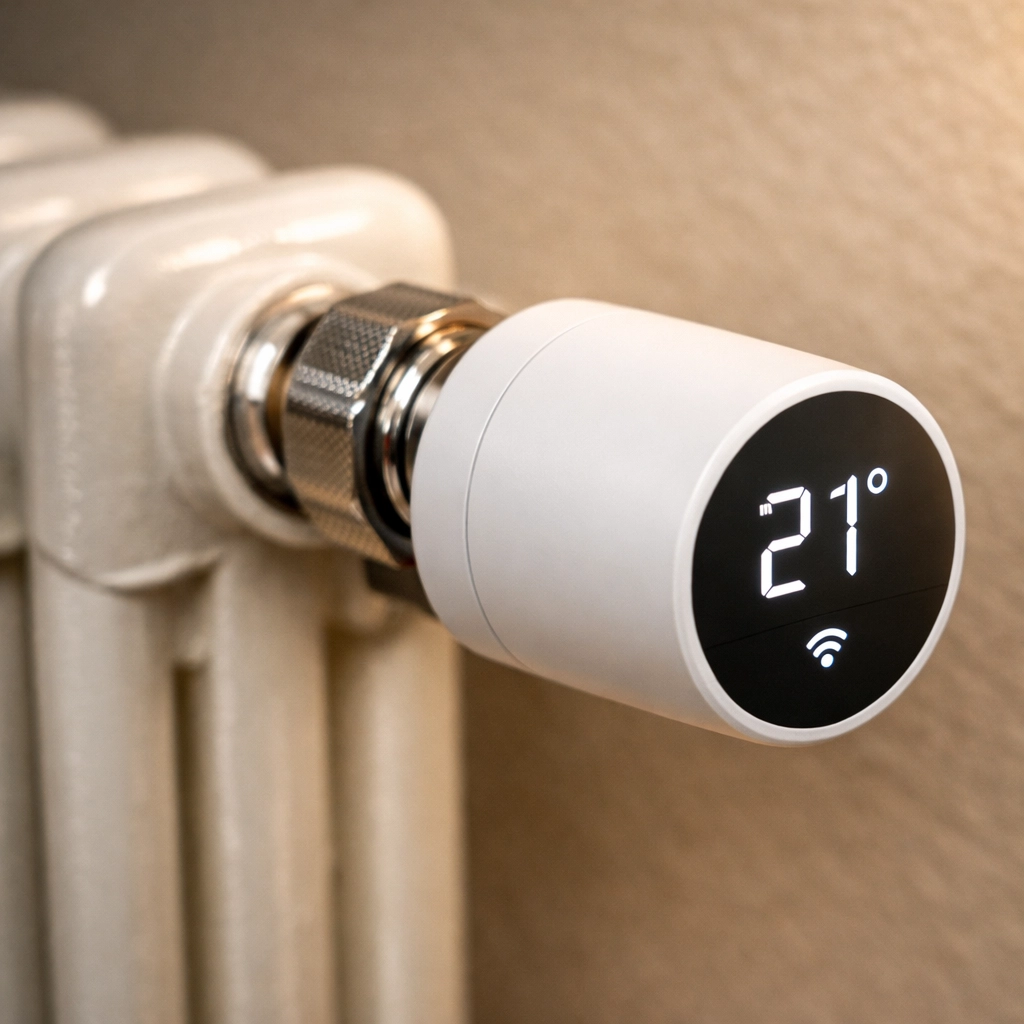
Traditional Thermostatic Radiator Valves (the little twisty knobs on your rads) are okay, but they aren't very precise. If your smart thermostat is in the lounge and it reaches 20°C, it shuts the whole boiler off, even if your home office in the attic is still freezing.
The Fix:
Consider upgrading to smart TRVs. These allow your smart central heating system to control each room individually. If your home office needs heat but the rest of the house is fine, the smart TRV can "call for heat" from the boiler just for that one radiator. It’s one of the best energy efficient heating upgrades for larger or multi-storey homes in areas like Thrapston and Higham Ferrers.
Local Advice for Northamptonshire Homes
In this part of the country, we have a real mix of housing. If you live in an older, solid-wall property in a village like Hargrave, your heating needs are very different from someone in a brand-new, highly insulated house in Stanton Cross. Smart controls are brilliant, but they need to be calibrated for your specific building type.
Older homes lose heat faster, so "pre-heat" functions (which start the heating early so it's warm by the time you wake up) are essential. Newer homes hold heat well, so you might find you can turn the heating off much earlier in the evening than you think.
If you're ever in doubt about whether your system is running as efficiently as it should, it's always worth booking an appliance servicing appointment. We don't just check the boiler; we can look at your controls and ensure everything is configured correctly for your lifestyle.
Need a Hand Getting Your Heating Under Control?
Smart heating shouldn't be stressful. When it's set up correctly, it should save you money, increase your comfort, and give you one less thing to worry about. Whether you're looking for a full boiler installation Northamptonshire or just want to upgrade your current controls, Regal Heat is here to help.
We’ve been serving the Raunds, Stanwick, and wider Northamptonshire area for years, and we pride ourselves on honest, practical advice. No jargon, just expert heating solutions you can trust.
Ready to make your home smarter? Contact us today or book a service online to get started.